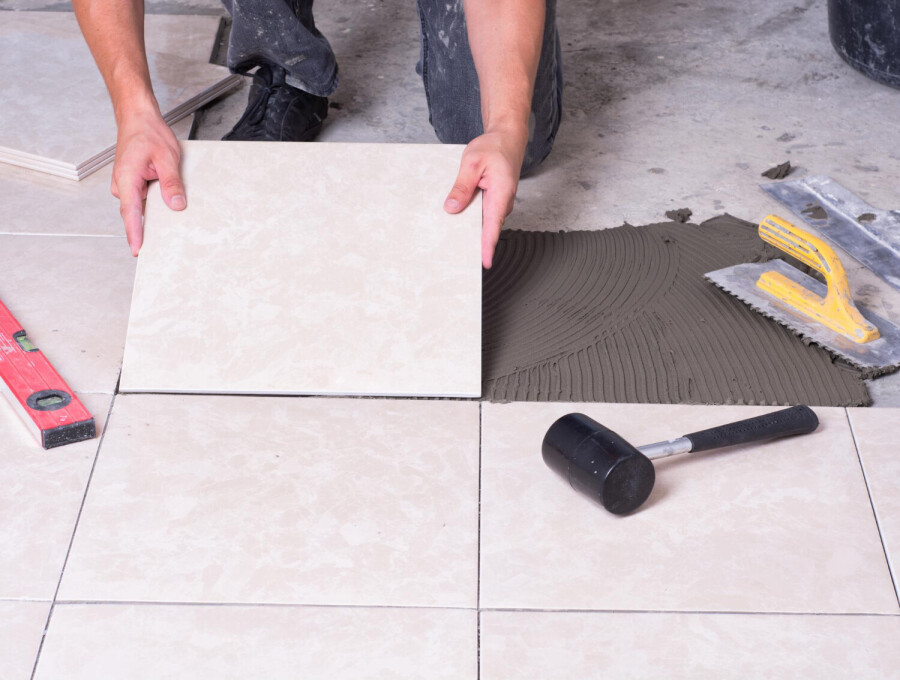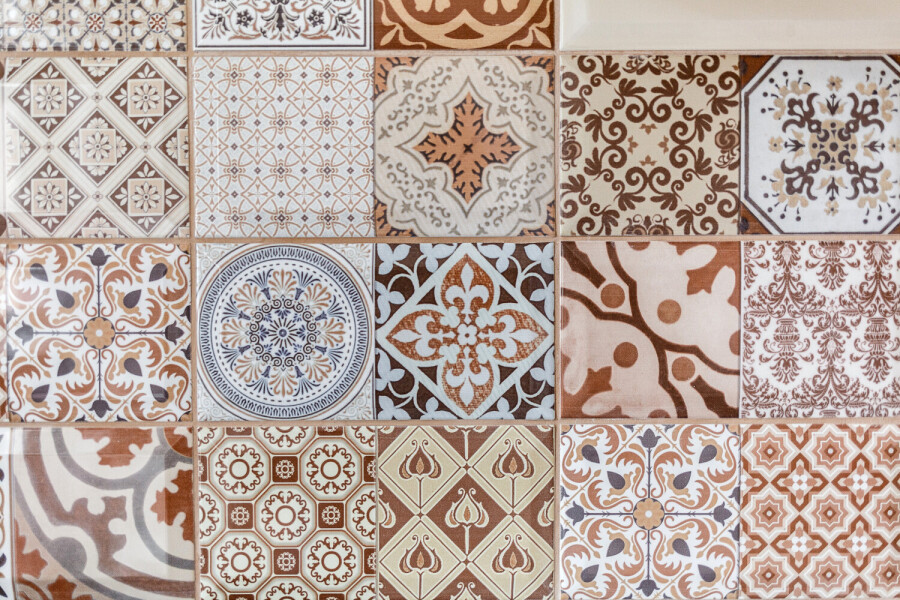
In fact, the neatness of a tile installation is determined not only by the installation technique but also by the quality of the tiles used. When it comes to tile quality, Grade A ceramic tiles are a term you will often come across.
Yes, Grade A is an important quality indicator to understand when selecting tiles for a building. This article covers the definition, characteristics, estimated price, and ways to check the quality to make sure the tiles meet your needs. Let's take a closer look!
What Are Grade A Ceramic Tiles?
First, let's understand the term grade. In the ceramic tile industry, grade indicates the product's quality level based on the results of Quality Control (QC).
Manufacturers generally use this classification to identify whether a ceramic tile product has passed inspection. Therefore, the term grade does not mean that the product is counterfeit, as some people may assume.
So, Grade A ceramic tiles are a classification used to indicate tiles with the highest quality that have passed QC. This classification is generally stated on the packaging and has a similar meaning to terms such as First Grade, Grade 1, or Export Quality.
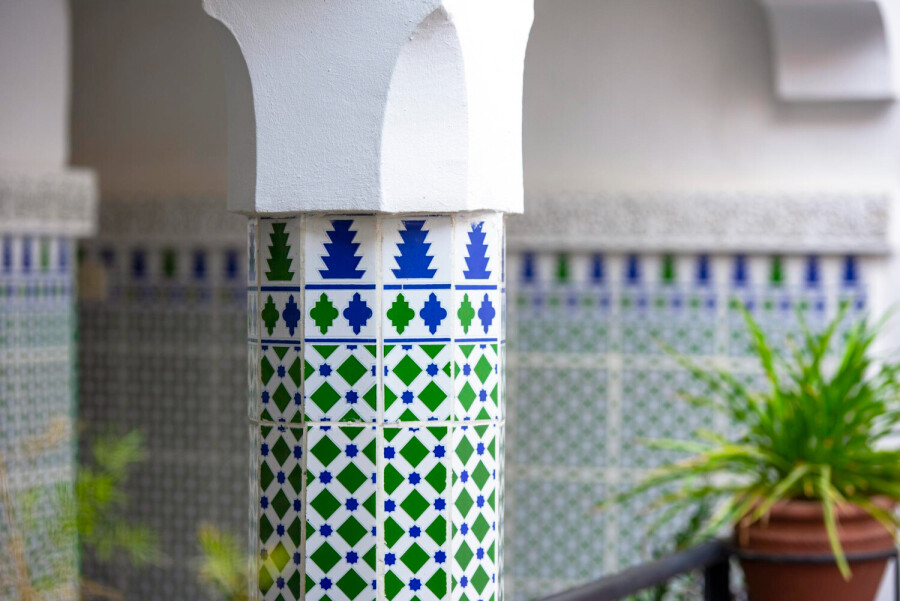
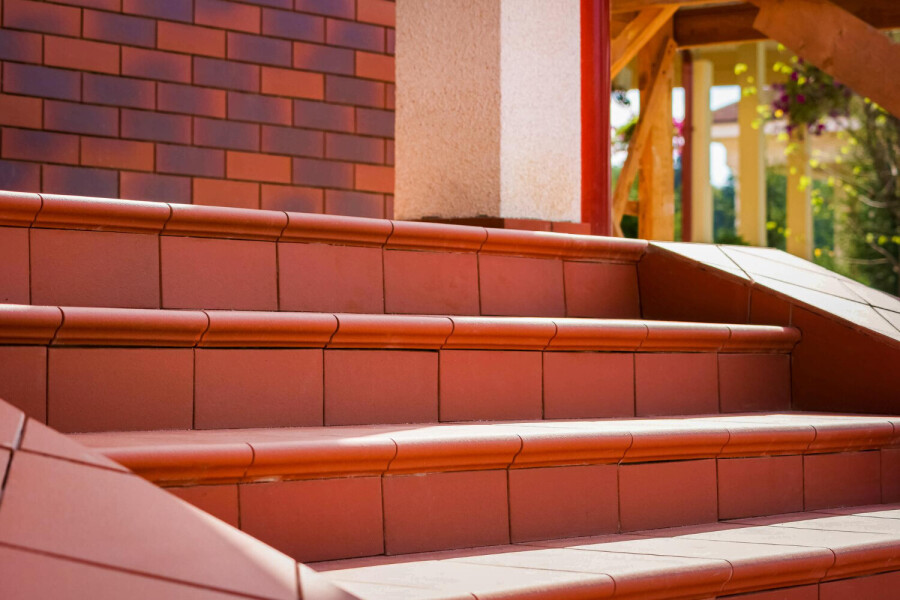
When examined closely, Grade A ceramic tiles have precise dimensions, consistent colors across each piece, neat patterns, and defect-free surfaces. Thanks to these qualities, Grade A tiles are often chosen for prominent areas where aesthetics are a priority, such as living rooms and hotel or office lobbies.
Read also: SNI Certification for Ceramic Tile: The Complete Requirements
Estimated Price of Grade A Ceramic Tiles in Indonesia
The estimated price of Grade A ceramic tiles is around IDR 36,500–82,000 per m². However, keep in mind that ceramic tile prices can vary depending on several factors, including:
Pattern and printing technology: The more intricate the pattern, the higher the price is likely to be, as it requires more advanced printing technology, production processes, and design development.
Size: Larger tiles generally have a higher price per piece. Larger formats require specific production and handling processes, so a higher price is reasonable.
Surface type or finish: The more complex the finish, the higher the price tends to be. For example, two Grade A ceramic tiles with the same 25 x 40 cm dimensions may have different prices if one has a matte finish while the other features a textured finish with a natural stone effect.
How to Read Ceramic Tile Codes
Grade A is actually just one of several codes that may be listed on ceramic tile packaging. Ceramic tile boxes typically include other codes indicating the tile type, size, color, and pattern. If you're not sure how to read them, here's a guide:
1. Identify the Tile Type from the First Letter
Generally, the code starts with a letter indicating the tile type. For example, the letter A may indicate wall tiles, while F may indicate floor tiles.
2. Determine the Tile Size from the Two-Digit Code
Next, identify the tile size from the two-digit code that follows the tile type code. These numbers represent the tile's length and width in centimeters. For example, if the code reads 5050, it means the tile measures 50 cm × 50 cm.
3. Check the Tile Quality Code
Now, Grade A is one example of a quality code. You may also come across codes such as Grade B, Grade C, or other classifications. Keep in mind that each manufacturer may use a different coding system, such as letters like Grade A or numbers like Grade 1.
4. Identify the Tile Color and Pattern
Tile colors are usually indicated by numbers or letters. For example, a numerical format might use 01 for white and 02 for black. A letter-based format might use GR for gray and BE for beige.
However, these codes are not standardized across the ceramic tile industry. Each manufacturer may have its own coding format or system.
Meanwhile, tile patterns are generally indicated by letters. For example, B may indicate a plain tile, while V may indicate a variation pattern.
5. Check the Lot Code
A lot code is typically a combination of numbers and letters used to identify a specific production batch. The format and information included in the lot code may vary between manufacturers.
In general, however, this code helps manufacturers trace a particular production group and production date, especially if an issue arises with tiles that have already been sold.
Lot codes can also be useful for ceramic tile buyers. Tiles with the same lot code generally have the same color and tone, helping create a more consistent installation. You can find the product's lot code under labels such as Batch No., Lot No., or Batch Number.
Read also: Ceramic Tiles Export: Opportunities, Challenges, and How to Get Started
How to Check the Quality of Grade A Ceramic Tiles Before Buying
Even if the ceramic tiles you're interested in are classified as Grade A, you may still want to verify their quality by inspecting the product's physical condition directly. Here are several ways to check ceramic tile quality before purchasing:
1. Check the Tile Weight
One indicator of ceramic tile quality is its weight. To check it, pick up the tile and gently move it. If it feels relatively heavy, this may indicate that the tile has a denser material and good overall quality.
2. Perform a Scratch Test
A scratch test can be performed after getting permission from the seller or by asking for assistance from the store staff.
If you're allowed to perform the test yourself, gently scratch a tile sample using a key or metal coin. Ideally, Grade A ceramic tiles should not easily show scratches from light contact with certain objects.
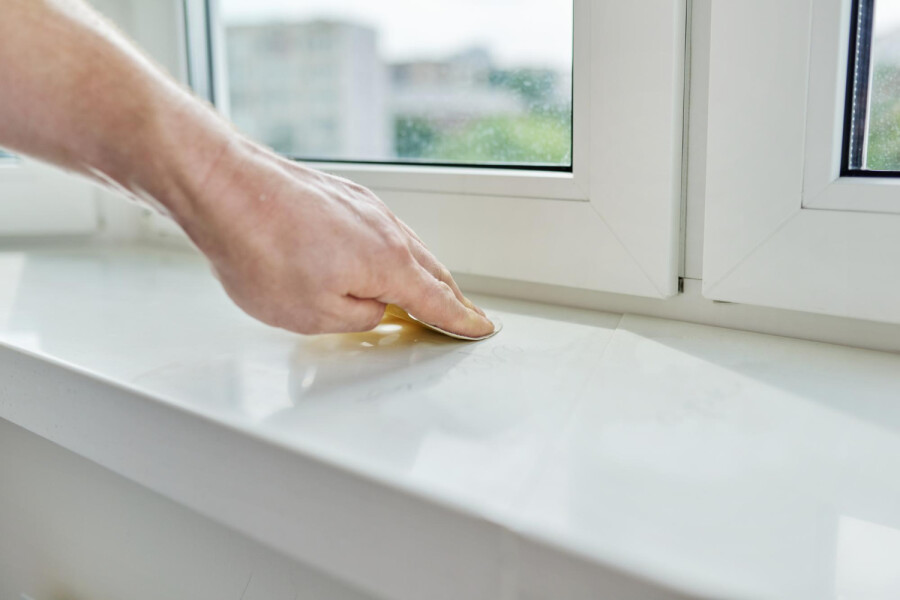
3. Wipe the Surface
By wiping the tile surface, you can check whether it leaves any visible marks. A high-quality Grade A ceramic tile should not easily retain fingerprints after being wiped, helping maintain its clean appearance.
4. Inspect the Edges and Corners
When checking ceramic tile quality, don't focus only on the front surface. Pay attention to the edges and corners as well.
Compare several tile pieces and make sure none of the edges appear curved, wavy, or irregular. Also, check that each corner forms a sharp, well-defined angle. This inspection is important to make the installation process easier and achieve a neater overall appearance.
Overall, Grade A ceramic tiles can be a great choice if you prioritize high quality and aesthetics. However, don't rely solely on the information printed on the packaging. It is also a good idea to inspect the physical condition and check all relevant packaging codes to make sure the tiles you choose truly meet your needs.
Now, if you want to learn more about Grade A ceramic tiles from various renowned brands, KERAMIKA Indonesia is definitely worth visiting.
KERAMIKA Indonesia is a leading ceramic exhibition in ASEAN that brings together renowned ceramic brands from both Indonesia and around the world. The exhibition not only showcases high-quality ceramic products but also building materials, sanitary ware, and a variety of home living solutions.
KERAMIKA Indonesia also provides an opportunity for ceramic manufacturers to register as an exhibitor and introduce their brands while showcasing their best collections.
Want to learn more about the exhibition schedule, event programs, and the list of ceramic brands featured at KERAMIKA Indonesia? Contact our team and follow the latest updates on Instagram at @keramikaid!
Read also: Ceramic vs. Porcelain Tile: The Difference & How to Choose









-x8vxc0-t3dqkz-md.jpg)