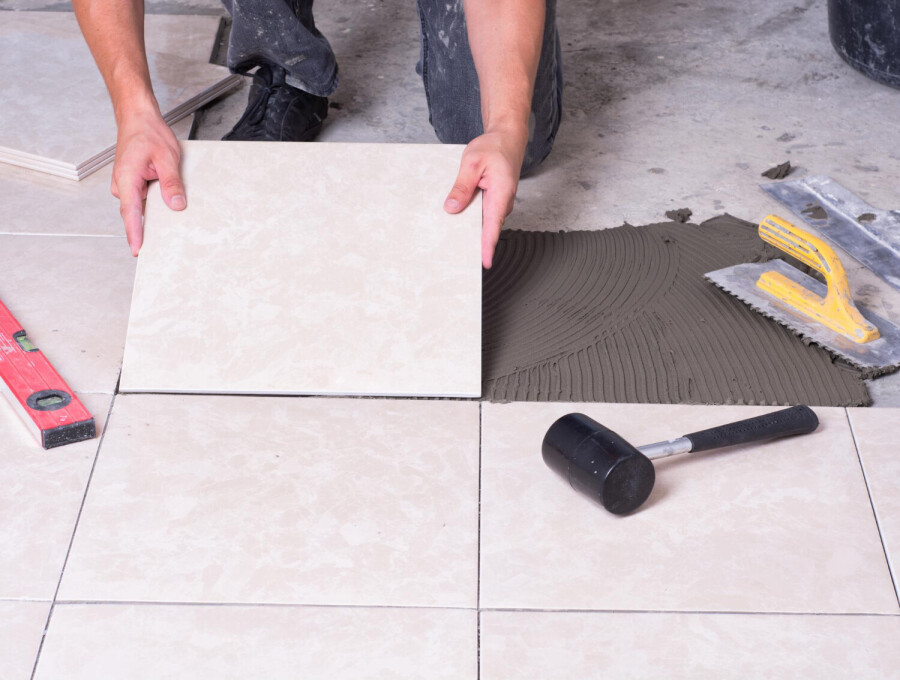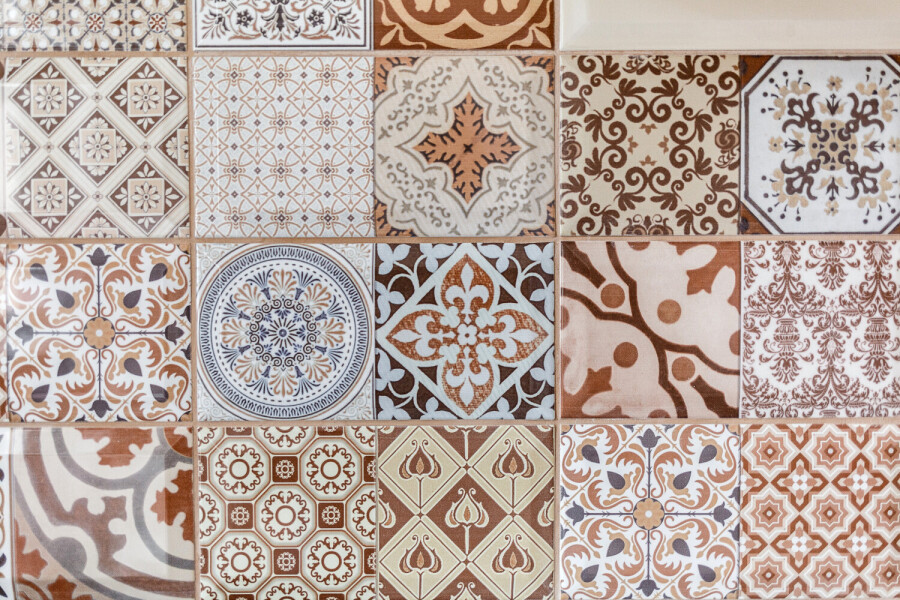
Ceramic tiles are widely used in homes, commercial buildings, and industrial facilities as flooring and wall coverings. With various types of ceramic tiles available, each product has different characteristics and functions, making quality an important factor to consider.
To ensure product safety and quality, the Indonesian government requires certain ceramic tile products to meet SNI certification for ceramic tile requirements before they can be manufactured, imported, or sold in Indonesia.
Let’s take a closer look at SNI ceramic tile standards, including their regulations and certification process, so you can better understand the requirements.
What Is SNI Certification for Ceramic Tile?
SNI ceramic tile certification is a certification that indicates a ceramic tile product has met the requirements of the Indonesian National Standard (SNI). This certificate is issued by a Product Certification Body (LSPro) that has been accredited by the National Accreditation Committee (KAN).
To obtain SNI certification for ceramic tile, each product must go through a series of tests to ensure its quality meets the applicable standards. Some of the factors evaluated include:
Ceramic tile strength.
Water absorption capacity.
Product size accuracy.
Surface quality and durability.
Consistency of quality across each product.
With SNI ceramic tile certification, products manufactured and sold in Indonesia can meet national quality standards, making them safer, more durable, and suitable for use.
Are All Ceramic Tiles Required to Have SNI Certification?
Yes, certain types of ceramic tiles must have SNI certification before they are manufactured, imported, or marketed in Indonesia. This regulation aims to ensure that all products available on the market meet established quality and safety standards.
This requirement applies to:
Companies that manufacture ceramic tiles in Indonesia.
Companies that import ceramic tiles from overseas.
Brand owners that sell ceramic tiles under their own brand names.
If a product does not have the required SNI certification for ceramic tiles, it may not be allowed to enter the Indonesian market, may be withdrawn from circulation, or may result in administrative sanctions for businesses according to applicable regulations.
The Importance of SNI Certification for Ceramic Tile Certification
Having SNI certification for ceramic tile provides various benefits for manufacturers, importers, and consumers.
This certification is not only proof that a product meets quality standards, but also helps build customer trust during the sales process. Since ceramic tiles have gone through testing and evaluation, buyers can feel more confident that the products comply with applicable requirements.
Some of the benefits of SNI certification include:
Ensuring products comply with regulations in Indonesia.
Increasing consumer confidence in product quality.
Meeting requirements for government projects or large-scale construction projects.
Helping products compete better in the market.
Reducing the risk of products being withdrawn from circulation or businesses receiving penalties.
For importers, SNI certification for ceramic tile also helps simplify the process of bringing products from overseas into Indonesia by ensuring they meet customs and regulatory requirements.
SNI Standards for Ceramic Tiles
To ensure products meet the required regulations, businesses need to understand several SNI ceramic tile standards. These regulations cover product standards, technical requirements, and the certification process.
1. SNI Standard for Ceramic Tiles
Ceramic tiles in Indonesia must comply with SNI 15-2094-2000, which serves as the applicable standard. This standard is used as a reference to ensure that ceramic tile products have good quality and are suitable for use.
Several factors assessed under this standard include tile size, thickness, water absorption capacity, tile strength, and surface resistance to scratches. By meeting these requirements, ceramic tile quality can be better guaranteed.
2. Technical Requirements for SNI Ceramic Tile Certification
To obtain SNI certification for ceramic tile, each product must meet a number of technical requirements. These requirements aim to ensure that ceramic tiles are durable, reliable, and comfortable to use.
Some of the aspects tested include:
Size: Tile dimensions must meet the specified standards to ensure a neater installation result.
Thickness: Tile thickness must match the required specifications.
Water absorption: The amount of water absorbed by the tile must remain within the allowed limit to prevent damage caused by moisture.
Breaking strength: Tiles must be strong enough to withstand pressure or loads according to their type and product class.
Scratch resistance: The tile surface should not scratch easily, helping maintain its appearance over time.
Color and surface quality: Colors should be consistent, and the surface should be free from cracks, stains, or other defects.
3. Ceramic Tile Classification Based on Water Absorption
Under SNI ceramic tile standards, tiles are classified based on the amount of water they can absorb. Generally, tiles with lower water absorption have better resistance to moisture.
The classification based on water absorption includes:
Class A: Absorbs a maximum of 0.5% water and is considered a high-quality tile category.
Class B: Has water absorption between 0.5% and 3%.
Class C: Absorbs more than 3% water.
Tiles with low water absorption are generally more resistant to damp conditions, making them more suitable for areas that are frequently exposed to water.
4. SNI Ceramic Tile Testing Process
Before receiving SNI certification for ceramic tile, products must go through several testing stages at an official laboratory. These tests are conducted to ensure that ceramic tiles meet the required quality standards.
The testing process includes:
Size inspection: Measuring the tile’s length, width, and thickness using specialized equipment to ensure compliance with standards.
Water absorption test: Tile samples are soaked for a specific period to measure how much water they absorb.
Strength test: Tiles are tested using specialized machines to determine their ability to withstand pressure or weight.
Scratch resistance test: The tile surface is examined using specific tools to ensure it is not easily damaged or scratched.
5. SNI Label on Ceramic Tile Products
Ceramic tiles that meet SNI ceramic tile standards will receive certification and must display the SNI label on their packaging or product. This label indicates that the product has passed the required testing process and complies with Indonesian national standards.
The SNI label usually features the “SNI” logo in red and white, along with a certificate number as proof that the product has met the applicable requirements.
That covers everything you need to know about SNI certification for ceramic tile, from its definition and benefits to the regulations that need to be considered. Understanding these standards can help ensure that the ceramic products you use meet quality requirements and comply with applicable regulations.
For ceramic manufacturers and business owners, having high-quality products should also be supported by the right marketing strategy to reach a wider market.
One effective way to do this is by participating in industry exhibitions that connect businesses with potential customers and business partners.
KERAMIKA Indonesia is one of ASEAN’s largest ceramic and building materials exhibitions, providing a platform for brands to showcase their latest products and innovations.
Through this event, industry players can expand their business networks and discover new partnership opportunities with various stakeholders.
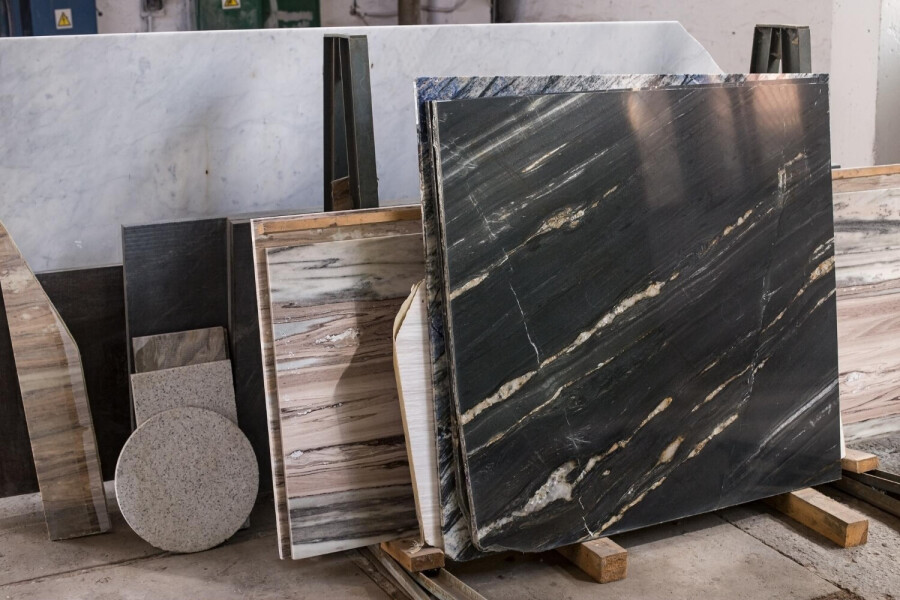
Beyond ceramic brands, KERAMIKA Indonesia also features a wide range of supporting building industry categories, including granite, marble, sanitary ware, construction materials, building technology, and interior and exterior design solutions.
With its diverse product showcase, this exhibition is the perfect place to explore the latest developments in the building materials industry.
If you are a ceramic manufacturer looking to increase brand visibility and reach a wider market, becoming an exhibitor at KERAMIKA Indonesia can be the right opportunity for your business.
For complete information about exhibition schedules, event programs, and exhibitor registration, feel free to contact our team and follow the latest updates through our Instagram @keramikaid.










-x8vxc0-t3dqkz-md.jpg)